There is a scene in George Cukor’s A
Star Is Born (1954) that demonstrates not only the director’s mastering of
the new widescreen format and the careful balancing of composition within a
larger frame, but also Cukor’s awareness of its history and value. It features
aging matinee idol Norman Main (James Mason) getting fired by head of the
studio Oliver Niles (Charles Bickford). The actor’s popularity had been
slipping, along with the studio’s power and commercial viability after the
introduction of television into the American home. During the conversation, the
men stand between two flickering black-an-white images on the left and right
edges of the frame. To the far left is a television set turned on to the
fights, to the far right a movie, projected onto a screen in the next room.
Main and Niles talk to each other precisely between a video image and a film
image—a visual translation of the historical crossroads where all the studio
heads and stars found themselves in 1954, with box office revenues plummeting.
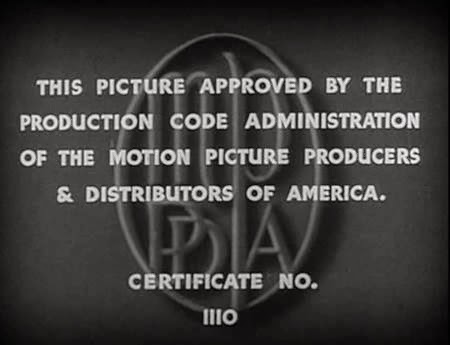
Two years earlier, 1952 had marked the first full year in which the whole nation was blanketed by network television, and for the first time since the early years of the Depression, the movie industry was in a state of decline. 1952 was also, not incidentally, the year that brought wide screens and stereophonic sound, more practicable and less expensive color, a growth of independent production, and a landmark Supreme Court decision on film censorship. This was the beginning of a transition that would lead the American film industry from the hardened confines of a production-distribution-exhibition pattern that had lasted for over two decades into uncertainties and changing forms. Television was, of course, not the only factor that prompted this transition, but it was a heavily influential one. If the theater screen was to compete with the small one, Hollywood had to offer audiences something that they couldn’t get in their living rooms: new, bigger screens and visual effects, better sound quality, color, new genres, more sex, more violence.
Two years earlier, 1952 had marked the first full year in which the whole nation was blanketed by network television, and for the first time since the early years of the Depression, the movie industry was in a state of decline. 1952 was also, not incidentally, the year that brought wide screens and stereophonic sound, more practicable and less expensive color, a growth of independent production, and a landmark Supreme Court decision on film censorship. This was the beginning of a transition that would lead the American film industry from the hardened confines of a production-distribution-exhibition pattern that had lasted for over two decades into uncertainties and changing forms. Television was, of course, not the only factor that prompted this transition, but it was a heavily influential one. If the theater screen was to compete with the small one, Hollywood had to offer audiences something that they couldn’t get in their living rooms: new, bigger screens and visual effects, better sound quality, color, new genres, more sex, more violence.